House sitting : guide complet (définition, prix, France 2026)
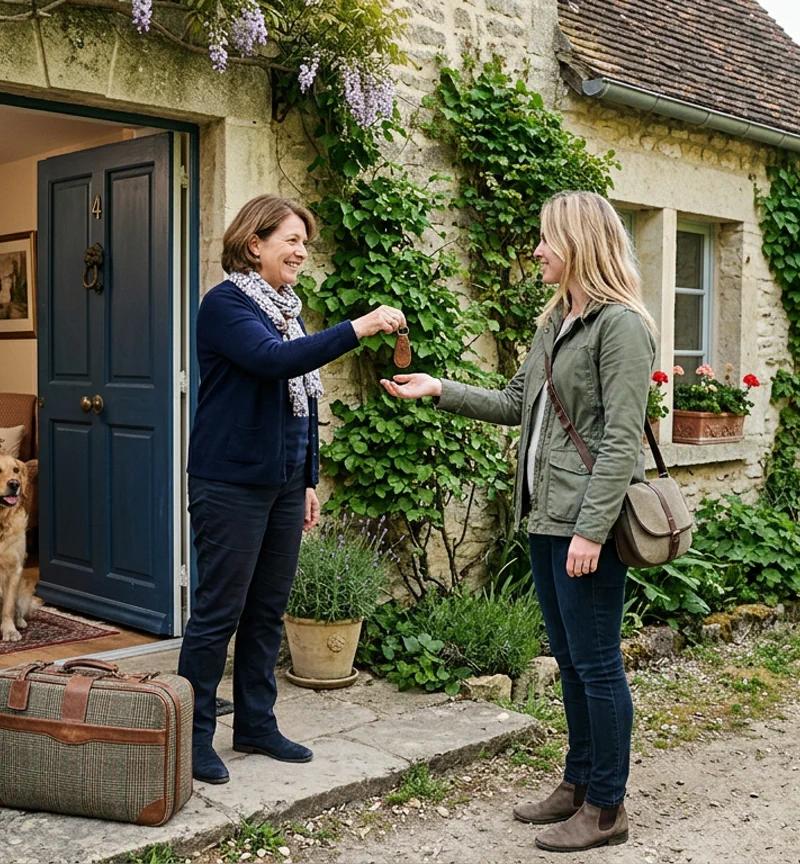
En bref. Le house sitting est la garde bénévole d'une maison et de ses animaux pendant l'absence des propriétaires, en échange d'un logement gratuit. Ni location, ni service payant, un échange direct entre particuliers, généralement organisé via une plateforme spécialisée comme Guardiens. En France, cette pratique se développe depuis 2020 sur les zones touristiques et périurbaines.
Né dans les pays anglo-saxons sous le nom de house sitting (en français home sitting ou homesitting, parfois house minding), le concept s'est imposé en France comme la formule la plus naturelle quand on doit s'absenter avec un chien, un chat ou un logement à entretenir. Ce guide explique en détail ce qu'est le house sitting, comment il fonctionne, ce qu'il coûte, ce qui le distingue du pet sitting payant, et comment démarrer, côté propriétaire comme côté gardien.
Sommaire
- Définition précise
- Comment ça fonctionne, étape par étape
- House sitting vs home sitting vs pet sitting vs pension
- Combien ça coûte ?
- Est-ce qu'on est payé en house sitting ?
- Comment trouver des missions de house sitting
- Législation en France
- FAQ
C'est quoi le house sitting, concrètement ?
Le house sitting (littéralement « gardiennage de maison ») est un arrangement entre particuliers dans lequel :
- Un propriétaire s'absente (vacances, déplacement professionnel, hospitalisation, voyage long) et confie son logement à un tiers.
- Un gardien, appelé house sitter, home sitter, ou simplement gardien de maison, s'installe dans le logement pour la durée définie. Il prend en charge les missions convenues : soin des animaux, arrosage, courrier, entretien courant, présence dissuasive.
- Aucune somme n'est échangée pour le logement lui-même. Le gardien est hébergé gratuitement ; en contrepartie, il assure le service convenu.
Les termes home sitting, homesitting et house sitting désignent exactement la même pratique. House minding est la variante britannique. Tous renvoient au même principe : logement gratuit contre présence et responsabilités.
C'est ce qui distingue radicalement le house sitting du pet sitting payant, de la location courte durée, ou de la pension animale.
Comment ça fonctionne concrètement ?
Étape 1, La mise en relation
Sur une plateforme spécialisée (comme Guardiens), le propriétaire publie une annonce détaillée : dates, animaux concernés, missions attendues, particularités du logement. Les gardiens candidatent ; le propriétaire choisit après échange.
Étape 2, La rencontre préalable
Une visioconférence ou une rencontre physique permet de valider la confiance mutuelle. C'est l'étape la plus importante du house sitting : on ne confie jamais ses animaux ni ses clés à un inconnu sans s'être parlé en direct.
Étape 3, La passation
Le jour du départ, le propriétaire fait visiter, montre les habitudes de l'animal, remet les clés, partage les contacts utiles (vétérinaire, gens du coin de confiance). Un guide de maison écrit est vivement recommandé : routines, horaires de repas, numéros d'urgence, fonctionnement du chauffage et de l'arrosage.
Étape 4, Le gardiennage
Le house sitter vit dans le logement, suit les routines de l'animal, communique régulièrement avec le propriétaire (photos, messages courts), et gère les imprévus dans le cadre convenu en amont.
Étape 5, Le retour et l'évaluation
Au retour, état des lieux rapide, restitution. Sur les plateformes sérieuses, les deux parties laissent un avis qui alimente la réputation publique, c'est ce système d'avis croisés qui rend l'écosystème fiable dans la durée.
Vous êtes propriétaire d'animaux ou vous aimez les animaux ?
Quelles différences avec une pension pour animaux ?
| Critère | House sitting / home sitting | Pet sitting | Pension animale |
|---|---|---|---|
| Lieu | Chez le propriétaire | Chez le sitter ou visites | Établissement collectif |
| Logement gardien | Hébergé gratuitement | Sans objet | Sans objet |
| Coût propriétaire | Gratuit (cotisation plateforme) | 15-30 €/jour | 25-45 €/jour |
| Rémunération sitter | Aucune (logement = contrepartie) | Payé à la prestation | Sans objet |
| Environnement animal | Habituel, sans stress | Nouveau ou visites courtes | Box, autres animaux |
| Maison surveillée | Oui en continu | Non | Non |
| Jardin / plantes | Entretien possible | Non | Non |
| Idéal pour | Absences longues, animaux casaniers | Chats indépendants, visites | Petits animaux, courts séjours |
Le house sitting cumule trois bénéfices que les autres formules ne combinent pas : continuité pour l'animal, présence dans le logement, coût nul. C'est ce qui explique sa croissance rapide en France.
Combien coûte le house sitting ?
Pour le propriétaire, le house sitting est gratuit en lui-même. Les seuls frais éventuels sont la cotisation à une plateforme de mise en relation (quelques euros par mois, souvent gratuite côté propriétaire). Économies typiques par rapport à une pension : 300 à 800 € pour deux semaines.
Pour le gardien (house sitter ou home sitter), le house sitting permet de se loger gratuitement pendant la durée de la mission. C'est une économie réelle (50 à 150 € la nuit en location courte durée) en échange d'engagements précis. Aucune rémunération supplémentaire n'est due : c'est un échange équilibré, pas un emploi.
Est-ce qu'on est payé en house sitting ?
Non. Le house sitting repose sur un échange non monétaire : logement contre services. Le house sitter n'est pas rémunéré pour son travail. Sa contrepartie est l'hébergement gratuit dans un logement souvent confortable et bien situé.
C'est ce qui distingue le house sitting du pet sitting (payé) et du salariat (statut, cotisations). Demander un salaire en plus du logement gratuit déséquilibre l'arrangement et sort du cadre du house sitting tel qu'il est compris en France et dans le monde.
Cas particuliers admis : remboursement de frais réels liés à la mission (kilomètres pour des sorties chez le vétérinaire, achats de nourriture animale convenus). Toujours discuté en amont, jamais imposé.
Comment devenir gardien (house sitter) ?
Trois canaux principaux existent pour démarrer comme house sitter en France :
- Les plateformes spécialisées (Guardiens et autres) : identité vérifiable, avis croisés, messagerie sécurisée, contrats types. C'est le canal le plus sûr pour des premières missions.
- Le bouche-à-oreille local : famille, gens du coin, collègues. Fiable mais limité en volume.
- Les groupes communautaires : associations locales, groupes de quartier. Variable, peu de garanties.
Pour construire un profil de house sitter attractif :
- Photo claire, présentation honnête, expérience animale réelle.
- Premières missions courtes (week-end, semaine) pour accumuler des avis avant de viser des gardes longues.
- Disponibilité communiquée à l'avance : les meilleures missions se réservent 6 à 10 semaines avant les dates.
Quels sont les risques et le cadre légal en France ?
Le house sitting entre particuliers, sans contrepartie financière pour le logement, n'est pas soumis à un cadre commercial. Ce n'est ni une location meublée, ni une activité salariée, ni du travail dissimulé : c'est un échange de services, encadré par la liberté contractuelle entre particuliers.
Bonnes pratiques recommandées :
- Formaliser l'arrangement par écrit (la plupart des plateformes proposent un contrat type).
- Vérifier l'assurance habitation (la plupart des contrats couvrent l'occupation temporaire par un tiers de confiance).
- Pour les gardes très longues, consulter sa compagnie d'assurance.
Pourquoi le house sitting est en croissance en France
Trois dynamiques expliquent l'essor du house sitting :
- Le coût des pensions varie selon l'établissement, la période et les services choisis, avec des tarifs souvent plus élevés en période de forte demande.
- La sensibilité au bien-être animal progresse : on accepte de moins en moins d'envoyer son chien ou son chat dans un box collectif s'il existe une alternative.
- L'économie du partage s'est normalisée : confier son logement à un inconnu vérifié n'a plus rien d'exceptionnel.
S'y ajoute un facteur français : la densité du tissu local. Trouver un gardien près de chez soi est devenu réaliste, partout en France, grâce aux plateformes spécialisées. Nous suivons ces évolutions dans notre observatoire de la garde d'animaux. Le même mécanisme fonctionne au-delà des frontières, quand des expatriés cherchent à faire garder leur maison à l'étranger par un gardien francophone.
Questions fréquentes sur le house sitting
Foire aux questions
Le house sitting est-il vraiment gratuit ?
Oui, des deux côtés. Le propriétaire ne paie pas le gardien, le gardien ne paie pas le logement. Sur Guardiens, l'échange entre propriétaire et gardien ne donne lieu à aucune rémunération. Les conditions tarifaires de la plateforme sont présentées sur la page tarifs.
Quelle différence entre house sitting et home sitting ?
Aucune. Ce sont deux noms pour la même pratique. House sitting est le terme anglo-saxon historique, home sitting la variante francisée. Homesitting (en un mot) est une orthographe alternative qu'on retrouve souvent en France.
Quelle différence entre house sitting et pet sitting ?
Le pet sitting est généralement payant et peut se faire en visites ponctuelles ou chez le pet sitter. Le house sitting implique de vivre sur place sans rémunération, en échange de l'hébergement gratuit.
Est-ce qu'on est payé en house sitting ?
Non. Le house sitter est logé gratuitement, c'est sa contrepartie. Aucun salaire n'est versé pour la garde des animaux ou la surveillance du logement.
Comment fonctionne le house sitting concrètement ?
Le propriétaire publie une annonce sur une plateforme spécialisée. Les gardiens candidatent. Une visio valide la confiance. Le jour J, passation des clés. Le gardien vit dans le logement, s'occupe des animaux, communique régulièrement. Au retour, état des lieux et avis croisés.
Combien de temps dure une mission de house sitting ?
De 2 jours à plusieurs mois. Les durées les plus fréquentes sont d'une à trois semaines, calquées sur les vacances scolaires françaises.
Comment trouver des missions de house sitting ?
Inscription sur une plateforme spécialisée, profil détaillé avec photo, candidatures à des missions adaptées à votre rythme. Commencez par des missions courtes pour construire vos premiers avis avant de viser des gardes longues.
Peut-on faire du house sitting avec son propre animal ?
Cela dépend de l'accord explicite du propriétaire et de la compatibilité avec les animaux du logement. À discuter en amont, jamais imposé.
Le house sitting est-il légal en France ?
Oui, sans ambiguïté. C'est un échange de services entre particuliers, sans contrepartie financière pour le logement. Ce n'est ni une location meublée, ni du travail dissimulé.
Et si tout se passe mal pendant la mission ?
Les plateformes sérieuses ont un support humain, un système d'avis, et parfois des gardiens d'urgence mobilisables en cas d'imprévu majeur.
Pour aller plus loin
- House sitting à Paris
- House sitting à Lyon
- House sitting à Marseille
- House sitting à Bordeaux
- House sitting à Toulouse
- Garde de chat à domicile : pourquoi le house sitting est idéal
Le house sitting n'est pas une mode. C'est la version sérieuse d'une pratique vieille comme l'entraide de proximité. Une plateforme spécialisée y ajoute la vérification d'identité, les avis publics et la sécurité d'un cadre clair, pour que la confiance ne repose plus sur la chance.
Prêt à rejoindre la communauté ?
Créez votre profil et rejoignez les gardiens de votre secteur.
À lire aussi
Articles liés
House-sitting vs pension : lequel choisir pour votre animal ?
Comparatif honnête entre house-sitting et pension pour animaux.
LireSécurité et confiance en house-sitting : comment ça marche sur Guardiens
Comment Guardiens garantit la confiance : vérification d'identité, avis croisés, écussons.
LireHouse-sitting en France : pourquoi ça fonctionne
Pourquoi la France est un terrain idéal pour le house-sitting de proximité.
LireProfessionnel animalier sur Guardiens : vous déclarer, afficher vos certifications
Vous exercez à titre professionnel auprès des animaux. Voici comment déclarer votre activité sur Guardiens, quelles formations vous pouvez afficher sur votre fiche, et dans quelles conditions vous participez aux gardes.
Lire