Cavalier King Charles: The Complete Guide to Pet Sitting
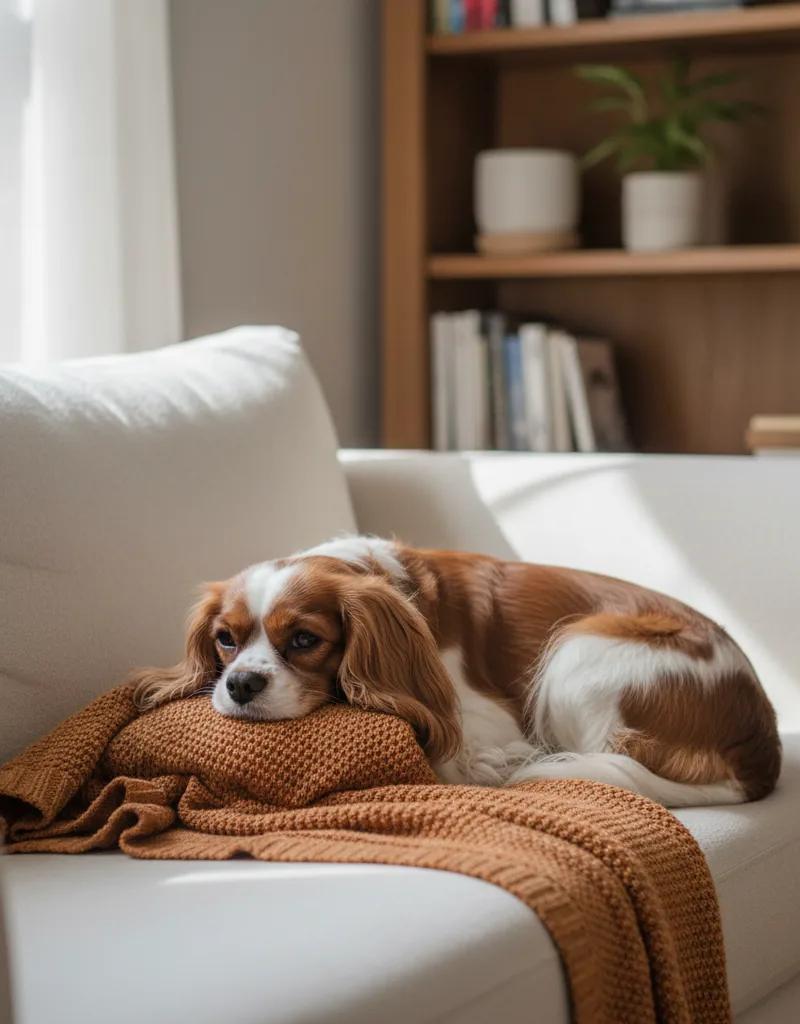
The Cavalier King Charles is deceiving. Its size, gentle demeanor, and reputation as a lap dog all give the impression that it is easy to care for. It is, for the most part. But it hides two vulnerabilities that every pet sitter must know: intense emotional dependence and heart health that can deteriorate quickly.
This guide is for owners going away and pet sitters welcoming pets. Both need to be aware of the same information.
Temperament: Gentle, Dependent, Adaptable
The Cavalier is one of the least confrontational dogs there is. It accepts strangers, gets along with cats, and shows no territorial aggression. It adapts to a new environment without a fuss.
What makes it vulnerable:
- Loneliness. The Cavalier is a companion dog in the literal sense; it needs regular human presence. 8 hours alone is too much. 4 hours is the reasonable limit.
- Abrupt change in routine. No tantrums, but a silent anxiety that manifests as a loss of appetite on the first evening. This is normal. It passes in 24-48 hours.
What reassures it:
- A calm and present pet sitter
- Its familiar objects (bed, toy, blanket)
- An identical routine: mealtime, walk time, bedtime
Health: What Every Pet Sitter Must Know
Mitral Valve Disease (MVD)
This is the critical point of the breed. The majority of Cavaliers develop a heart murmur with age. Many are on medication.
For the pet sitter: Check with the owner if the dog is on heart medication. Never forget a tablet. Symptoms of cardiac decompensation to be aware of: shortness of breath at rest, nocturnal cough, sudden fatigue, swollen abdomen.
If you observe any of these signs, see a veterinarian immediately; do not wait until the next day.
Syringomyelia
A common neurological malformation in the breed. Manifests as "phantom" scratching of the neck and shoulder (without skin contact), spontaneous yelps, and sensitivity to touch on the skull. If the dog scratches frequently in the air, report it to the owner.
Overweight
The breed is predisposed. Strict rationing, no unauthorized treats. Cavaliers eat what they are given without regulating themselves.
Vous êtes propriétaire d'animaux ou vous aimez les animaux ?
Daily Needs
Outings:
- 2 short to medium walks are sufficient (20-30 min)
- Not a trail dog or for long hikes
- Avoid intense effort in hot weather; brachycephalic (short-nosed) dogs overheat quickly
Human Contact:
- Regular presence during the day
- Pet sitting at home is ideal; the Cavalier is stable in its usual environment
- If pet sitting at the sitter's home: bring the bed and an item of the owner's clothing for the first few days
Food:
Follow the exact protocol. Cavalier + free feeding = guaranteed overweight in three weeks.
What the Owner Must Prepare
- Medication sheet with exact administration times (critical if on heart treatment)
- Contact number for the veterinary cardiologist if specialized follow-up is needed
- List of "normal" vs. "alert" symptoms
- Bed, blanket, favorite toy to leave for the pet sitter
- Exact food portion written down, not "a handful"
Cavalier King Charles Near You
This breed is present throughout France, particularly in urban and suburban areas.
In an apartment (Lyon, Grenoble, Clermont)
Ideal breed for apartment living. No garden needed. 2 daily walks are sufficient. Be careful of heat in top-floor apartments in summer.
In a house (Annecy, Caluire, Chambéry)
A garden is appreciated but not essential. Monitor low fences; a Cavalier can easily slip under a hedge.
At altitude (secondary residences Savoie/Haute-Savoie)
Tolerant of moderate cold. Avoid long mountain walks; this is not its purpose. For short stays in a chalet, it adapts very well if its bed is there.
Find a Pet Sitter for Your Cavalier
On Guardiens, you can specify your Cavalier's medical needs in your ad. Sitters who apply will know what to expect: heart treatment, a calm lifestyle, and regular presence.
Prêt à rejoindre la communauté ?
Créez votre profil sans frais et rejoignez les gardiens de votre quartier.
Articles liés
House sitting : guide complet (définition, prix, France 2026)
House sitting : tout comprendre. Définition, fonctionnement, prix, différences avec home sitting, pet sitting et pension. Le guide de référence en France.
LireTarifs Guardiens 2026 : offert pour les propriétaires, 6,99 €/mois pour les gardiens
Notre modèle tarifaire pour 2026 tient en deux lignes : à 0 € pour les propriétaires, abonnement gardien à 6,99 €/mois avec essai de 7 jours sans frais. Sans commission par garde, sans frais cachés.
LireRéussir sa première garde : ce que personne ne vous dit
Comment réussir sa première garde sur Guardiens : avant, pendant, après. Les erreurs à éviter et les réflexes qui génèrent de bons avis.
LireLe Berger Australien : tout savoir avant de le garder
Guide complet du Berger Australien : stimulation, exercice, santé et consignes de garde. Tout ce qu'un gardien doit savoir avant de garder un Aussie.
Lire