Managing Difficult Animals During a Pet-Sitting Assignment
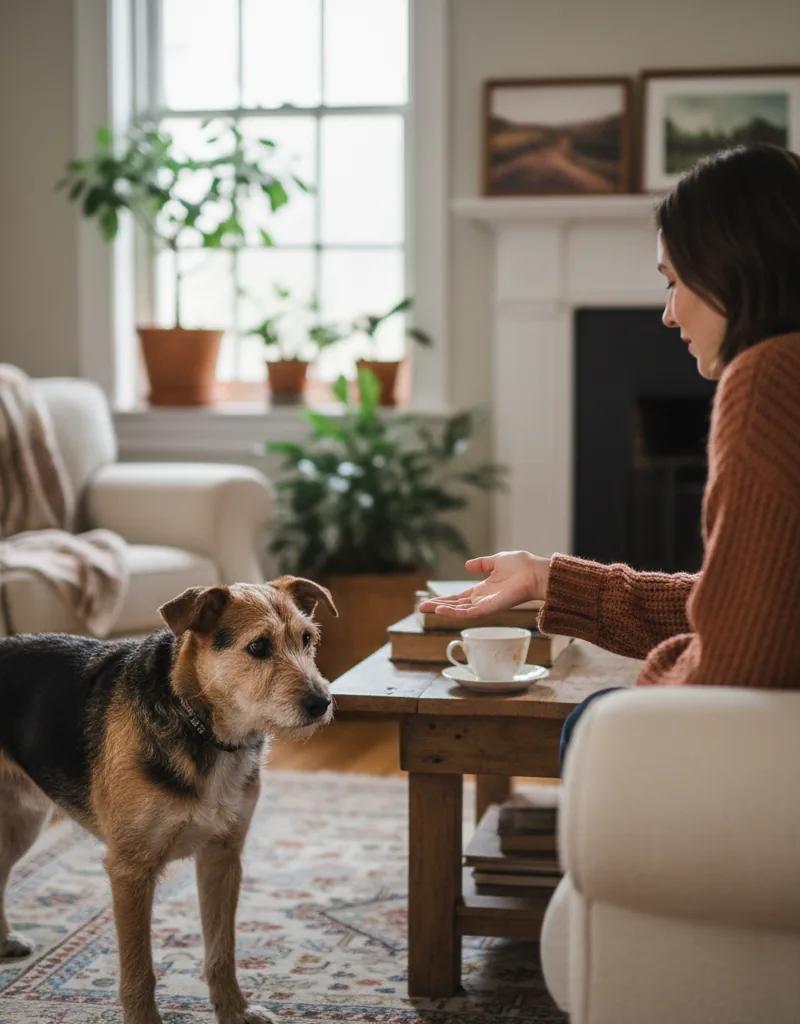
No one tells you that an animal can be very different when its owner is away. The calm dog you met might become anxious on the second evening. The sociable cat might disappear under the bed for 3 days.
This guide covers the most frequent situations and how to manage them without panicking.
The Dog with Separation Anxiety
What you will see:
Prolonged vocalizations, destructive behaviors (chewing, scratching at doors), hyperactivity when going outside, refusal to be left alone even for 30 minutes.
What helps:
- Maintain the owner's exact routine (same wake-up time, same walking route, same meal times)
- Frozen stuffed Kongs for times when you need to leave, keeping the animal occupied for 20 to 40 minutes
- Leave and return calmly, without dramatic goodbyes or greetings
- Gradually increase short absences if the animal tolerates them
What you should not do:
Punish destructive behaviors after the fact; the animal won't connect the two. Over-compensate with cuddles after a vocalization; this reinforces the behavior.
When to call the owner:
If after 48 hours the anxiety does not decrease and the animal refuses to eat or drink, this is abnormal.
The Cat That Hides
What you will see:
Disappearing under the bed, in a closet, or behind furniture. Sometimes for 24 to 72 hours. Refusal to eat in your presence.
What is normal:
Most cats cope with novelty by isolating themselves. This is a defense mechanism, not suffering. As long as the animal eats (even at night, in your absence) and drinks, everything is fine.
What helps:
Place food near its hiding spot without forcing contact. Speak to it calmly as you pass, without stopping or looking for it. Let it come to you; it can sometimes take 3 days.
What does not help:
Forcing it out of its hiding spot. Staring into its eyes or leaning towards it; this is threatening for a cat.
When to call the owner:
If after 48 hours you see no trace of food or water consumption, this is an alert signal.
Vous êtes propriétaire d'animaux ou vous aimez les animaux ?
The Leash-Reactive Dog
What you will see:
Barking, pulling, aggressive behaviors directed toward other dogs, people, bicycles, or cars.
What helps:
- Change sidewalks before the encounter, not during; anticipate by 20 meters
- Maintain a safe distance and stay calm: your tension on the leash transmits directly to the dog
- Distract with a high-value treat before the trigger point, not after
What you should not do:
Force encounters with other dogs "to socialize it"; this is not your role during a pet-sitting assignment. Your role is to manage, not to retrain.
Important:
If the owner did not inform you of their dog's reactivity before the assignment, report it in your review. Other guardians need to know.
The Sick Animal During the Assignment
First signs to watch for:
Refusal to eat or drink for more than 24 hours, unusual lethargy, repeated vomiting, diarrhea, breathing difficulties, sudden lameness.
The protocol:
- Call the owner to inform them
- Call the usual veterinarian (number in the house guide)
- If there is an evident life-threatening emergency (seizures, breathing difficulties, bloated belly): go to an emergency veterinarian immediately, inform the owner right away
Your responsibility:
You are acting in the animal's best interest. The owner's authorization for care covers you for emergency decisions. Not acting out of fear of making a wrong decision is more costly than acting too soon.
Prêt à rejoindre la communauté ?
Créez votre profil sans frais et rejoignez les gardiens de votre quartier.
À lire aussi
Articles liés
Réussir sa première garde : ce que personne ne vous dit
Comment réussir sa première garde sur Guardiens : avant, pendant, après. Les erreurs à éviter et les réflexes qui génèrent de bons avis.
LireSécurité et confiance en house-sitting : comment ça marche sur Guardiens
Comment Guardiens garantit la confiance : vérification d'identité, avis croisés, écussons.
LireDevenir Gardien d'Urgence : le statut qui change tout
Comment accéder au statut Gardien d'Urgence sur Guardiens : 5 gardes, note 4.7, zéro annulation. Avantages, obligations et fonctionnement.
LireHouse-sitting en France : le cadre juridique pour propriétaires et gardiens
Le house-sitting entre particuliers, lorsqu'il se fait sans paiement entre les parties, relève du commodat (ou prêt à usage) défini par l'article 1875 du Code civil.
Lire