Garde de maison entre expatriés : comment fonctionne l'échange réciproque
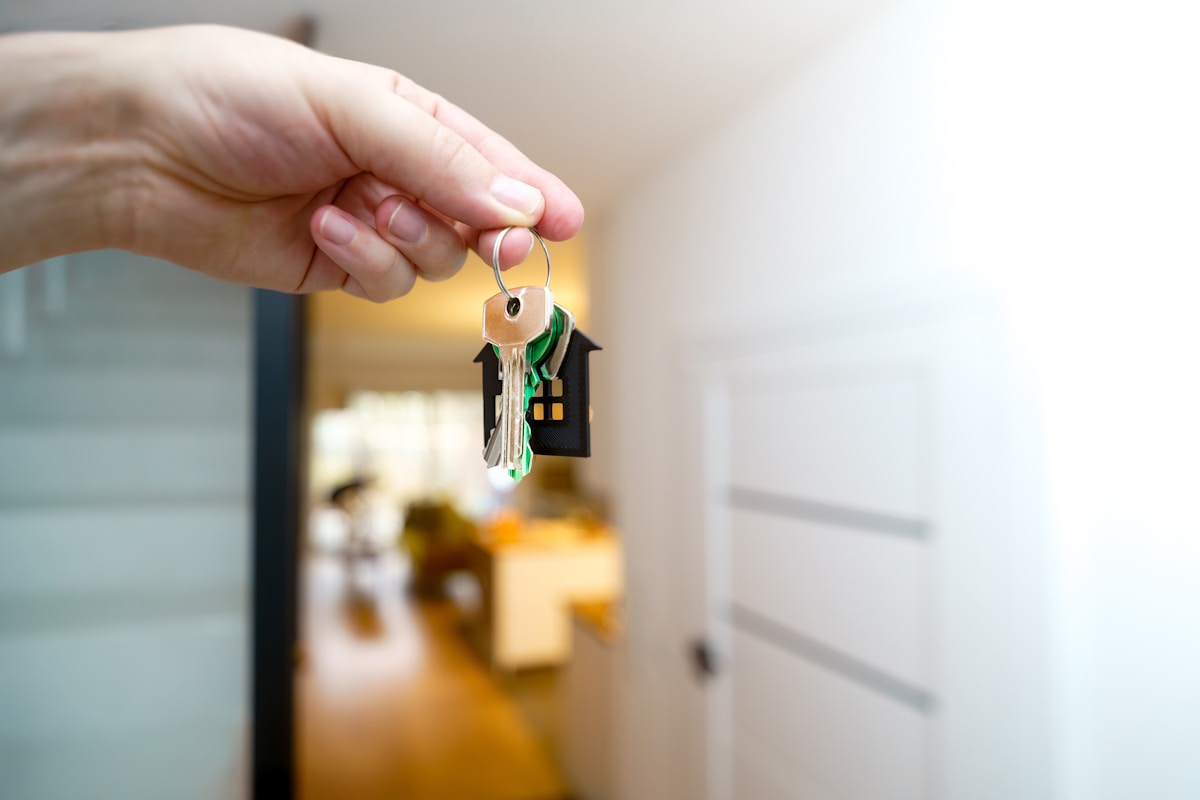
Deux familles françaises expatriées, l'une à Lisbonne, l'autre à Montréal. Chacune veille sur la maison de l'autre pendant ses absences. Aucun loyer ne circule, aucune commission n'est prélevée. C'est le principe de la garde réciproque, et il fonctionne particulièrement bien entre expatriés parce que leurs besoins sont symétriques.
Ce guide explique le mécanisme, les trois formes que prend l'échange, le cadre juridique qui s'applique, et les trois erreurs qui font échouer un binôme. Il complète notre guide sur faire garder sa maison à l'étranger et celui sur faire garder sa maison en France pendant une expatriation.
Le saviez-vous ?
Article rédigé par Elisa, co-fondatrice de Guardiens. Argentine installée en France, elle a découvert la garde de maison quand un visa bloqué et le Covid l'ont laissée sans solution de logement. Avec Jérémie, elle a depuis gardé 37 maisons et 234 animaux en cinq ans. L'expatriation, elle l'a vécue avant de l'écrire.
Deux besoins symétriques qui se répondent
Un expatrié vit avec deux contraintes récurrentes. Sa maison reste vide dès qu'il se déplace, parfois plusieurs semaines. Et quand il voyage, il cherche un endroit où poser ses valises qui ne soit pas une chambre d'hôtel.
La garde réciproque répond aux deux en même temps. Vous veillez sur la maison de quelqu'un, quelqu'un veille sur la vôtre. Chacun apporte ce que l'autre cherche, et rien d'autre ne change de mains.
C'est ce qui distingue l'échange d'une prestation de service. Personne n'achète le temps de personne. Les deux parties donnent la même chose, à des moments différents.
Pourquoi ça marche mieux entre expatriés qu'ailleurs ?
Trois raisons concrètes, observées sur le terrain.
La compréhension mutuelle est immédiate. Un expatrié sait ce que représente une maison laissée vide à 8 000 kilomètres. Il connaît l'angoisse du dégât des eaux qu'on découvre trois semaines plus tard. Il n'a pas besoin qu'on lui explique pourquoi les volets doivent bouger.
Les calendriers se complètent naturellement. Les expatriés rentrent en France l'été, repartent pour les fêtes, voyagent pendant les vacances scolaires locales. Deux foyers expatriés ont rarement les mêmes périodes creuses, qu'ils vivent dans deux pays différents ou dans la même ville, ce qui rend l'échange décalé facile à organiser.
La confiance se construit sur un vécu commun. Le départ, l'installation, les démarches administratives dans une langue étrangère, l'éloignement de la famille : ce sont des repères partagés qui accélèrent la mise en relation.
Vous êtes propriétaire d'animaux ou vous aimez les animaux ?
Le cas le plus fréquent : deux expatriés au même endroit
L'image qui vient d'abord est celle de deux foyers sur deux continents. Dans les faits, l'échange le plus courant se noue entre expatriés d'une même ville ou d'un même pays, et c'est aussi le plus solide.
Vous pouvez vous rencontrer avant. C'est l'avantage décisif. Un café, une visite du logement, une présentation des animaux : tout ce qui est impossible entre deux continents devient trivial quand vous habitez à vingt minutes l'un de l'autre.
L'intervention est rapide. Votre binôme se rend sur place en quelques heures si une alarme se déclenche ou si une fuite apparaît. À distance, personne ne peut faire ça.
Le réseau local est partagé. Même vétérinaire, mêmes artisans, mêmes commerces, mêmes numéros d'urgence. Les consignes se réduisent de moitié parce que l'essentiel est déjà connu.
Reste une objection à lever : si vous vivez au même endroit, pourquoi auriez-vous besoin d'un logement chez l'autre ? Parce que la contrepartie n'est pas le logement. C'est la garde. Vous ne dormez pas forcément chez votre binôme, vous veillez sur sa maison pendant qu'il rentre en France, et il fait de même pour vous au trimestre suivant. L'échange porte sur le service, pas sur l'hébergement.
Ce montage a un nom simple sur le terrain : l'entraide de la communauté française sur place. Les groupes d'expatriés d'une même ville en sont le vivier le plus direct.
Quelles sont les trois formes d'échange ?
Toutes les réciprocités ne se ressemblent pas. Trois montages existent, et le choix dépend surtout de vos calendriers.
L'échange simultané
Vous partez chez l'autre pendant qu'il vient chez vous, sur les mêmes dates. C'est la forme la plus lisible : chacun sait exactement ce qu'il donne et ce qu'il reçoit, et l'équilibre est visible sur le calendrier.
Sa limite tient à sa rigidité. Il faut que deux agendas coïncident au jour près, ce qui devient vite improbable quand les deux foyers ont des enfants scolarisés dans deux pays.
L'échange différé
Vous gardez sa maison en mars, il garde la vôtre en octobre. C'est la forme la plus courante entre expatriés, parce qu'elle épouse la réalité des calendriers.
Elle demande en revanche un engagement écrit. Sept mois séparent les deux moitiés de l'échange, et beaucoup de choses peuvent changer entre les deux. Notez les dates de la contrepartie dès l'accord initial, même approximatives.
L'échange en chaîne
Vous gardez la maison de A, A garde celle de B, B garde la vôtre. Ce montage à trois ou quatre foyers débloque des situations que le face-à-face ne permet pas, notamment quand les destinations souhaitées ne correspondent pas deux à deux.
Il exige une organisation plus fine et un point de contact clair pour chaque maillon. Réservez-le à des personnes que vous avez déjà rencontrées.
| Forme d'échange | Principe | Sa limite |
|---|---|---|
| Simultané | Vous partez chez l'autre pendant qu'il vient chez vous, sur les mêmes dates | Rigide : deux agendas doivent coïncider au jour près |
| Différé | Vous gardez sa maison en mars, il garde la vôtre en octobre | Demande un engagement écrit, avec les dates de la contrepartie notées dès l'accord |
| En chaîne | Vous gardez la maison de A, A garde celle de B, B garde la vôtre | Organisation plus fine, un point de contact par maillon, à réserver à des personnes déjà rencontrées |
Qu'est-ce qui fait échouer un échange ?
Confondre réciprocité et faveur
Un échange n'est pas un service rendu sans contrepartie. C'est un service rendu contre un service équivalent. Cette nuance change tout dans la façon de poser les attentes : vous êtes en droit de demander le même niveau de soin que celui que vous apportez, et votre binôme aussi.
Les échanges qui dérapent sont presque toujours ceux où l'une des deux parties a considéré qu'elle rendait un service, et l'autre qu'elle recevait une faveur.
Laisser l'implicite s'installer
Combien de temps par jour faut-il consacrer au chat ? Le jardin doit-il être arrosé ou simplement surveillé ? Peut-on recevoir quelqu'un ? Ces questions paraissent secondaires au moment de l'accord et deviennent centrales au jour douze.
Un document écrit de deux pages suffit. Il couvre les animaux, le logement, les visites autorisées et les dépenses courantes. Notre guide sur faire garder sa maison à l'étranger détaille la trame complète du dossier d'accueil.
Sauter la rencontre préalable
L'échange repose entièrement sur la confiance, puisque aucune transaction ne vient l'encadrer. Un appel vidéo d'une demi-heure, où chacun fait visiter son logement caméra à la main, remplace utilement la rencontre physique impossible entre deux continents.
Cet appel révèle en quelques minutes des écarts d'attente que trois semaines de messages écrits n'auraient pas fait apparaître.
Le cadre juridique : un prêt à usage
Quand aucun loyer n'est versé, la mise à disposition d'un logement relève du prêt à usage, appelé commodat en droit français. L'article 1875 du code civil le définit ainsi : « Le prêt à usage est un contrat par lequel l'une des parties livre une chose à l'autre pour s'en servir, à la charge par le preneur de la rendre après s'en être servi. » Ce cadre a trois conséquences pratiques.
Aucun revenu locatif n'est généré, donc aucune obligation déclarative liée à une location ne s'applique. Le prêt reste révocable selon les termes convenus entre les parties. Et l'occupant n'acquiert aucun droit au maintien dans les lieux.
Côté assurance, prévenez votre assureur habitation d'une occupation par un tiers non rémunéré. La plupart des contrats la couvrent, mais une absence supérieure à 60 ou 90 jours demande souvent une déclaration préalable. Un courriel suffit à formaliser la situation.
Côté séjour, votre binôme entre dans votre pays d'accueil sous son propre statut touristique. Aucun lien d'emploi ne vous unit, ce qui simplifie radicalement sa situation. Vérifiez simplement la durée autorisée et les justificatifs demandés à la frontière.
Comment trouver son binôme ?
La difficulté n'est pas de convaincre, elle est de rencontrer. Trois pistes fonctionnent.
Publiez une annonce qui dit explicitement que vous cherchez un échange, pas seulement un gardien. Précisez vos dates, votre destination souhaitée et ce que vous offrez. Une annonce qui affiche la réciprocité attire des profils qui la cherchent aussi.
Décrivez votre quotidien, pas seulement votre logement. Le marché du mardi, la plage à dix minutes, le café où l'on parle français : ce sont ces détails qui déclenchent une candidature, bien plus que le nombre de mètres carrés.
Acceptez le décalage. Un binôme qui vous propose une contrepartie huit mois plus tard est souvent plus fiable qu'un binôme qui promet des dates simultanées improbables.
Sur Guardiens, l'espace propriétaire est sans frais et sans commission par garde. Vous publiez, vous échangez par messagerie, vous formalisez l'accord en ligne. Nos engagements de service.
Foire aux questions
Un échange réciproque est-il légal en France ?
Oui. En l'absence de loyer, il relève du prêt à usage, un cadre reconnu par le code civil. Aucun revenu n'est généré, donc aucune déclaration liée à une location n'est requise.
Faut-il que les deux gardes aient exactement la même durée ?
Non, et c'est rarement le cas. L'équilibre se négocie entre les parties. Deux semaines chez vous contre dix jours chez l'autre reste un échange équitable si les deux sont d'accord au départ.
Que se passe-t-il si mon binôme ne tient pas sa part différée ?
C'est le risque propre à l'échange décalé. Il se réduit en notant les dates de la contrepartie dès l'accord initial, et en privilégiant des profils qui ont déjà un historique de gardes et des avis publics.
Peut-on échanger sans avoir d'animaux ?
Oui. La surveillance d'un logement vide, le relevé du courrier, l'entretien d'un jardin ou d'une piscine constituent une contrepartie à part entière.
Comment gérer les dépenses courantes pendant l'échange ?
La règle la plus simple : chacun assume les consommations du logement qu'il occupe, électricité, eau, internet. Notez-le dans l'accord pour éviter toute discussion au retour.
Peut-on organiser un échange à trois foyers ?
Oui, et cela débloque des situations que le face-à-face ne permet pas. Réservez ce montage à des personnes déjà rencontrées, et désignez un point de contact pour chaque maillon.
En résumé
La garde réciproque entre expatriés n'est pas un bricolage entre gens qui veulent économiser. C'est un montage cohérent, adossé à un cadre juridique clair, qui répond à deux besoins symétriques : une maison à ne pas laisser vide, un logement à trouver ailleurs.
Sa réussite tient à trois choses. Un écrit qui lève les implicites. Un appel vidéo avant de s'engager. Et l'idée, tenue des deux côtés, que personne ne rend service à personne.
Jérémie et Elisa
Prêt à rejoindre la communauté ?
Créez votre profil et rejoignez les gardiens de votre secteur.
Articles liés
Professionnel animalier sur Guardiens : vous déclarer, afficher vos certifications
Vous exercez à titre professionnel auprès des animaux. Voici comment déclarer votre activité sur Guardiens, quelles formations vous pouvez afficher sur votre fiche, et dans quelles conditions vous participez aux gardes.
LireÀ qui confier sa maison pendant son absence, et quels sont les risques ?
Proche, pet-sitter, agence de homesitting, société de sécurité ou house-sitting : ce que chaque solution coûte vraiment, les risques des deux côtés, et ce que dit le droit français si quelqu'un reste au-delà de la date.
LireSécurité et confiance en house-sitting : comment ça marche sur Guardiens
Comment Guardiens garantit la confiance : vérification d'identité, avis croisés, écussons.
LireHouse-sitting en France : pourquoi ça fonctionne
Pourquoi la France est un terrain idéal pour le house-sitting de proximité.
Lire